From forested slopes to the Peak of Vancouver
Every ride up the mountain carries echoes of early trails, community ambition, and decades of alpine innovation.
Table of Contents
Before the gondola: a mountain above a growing city
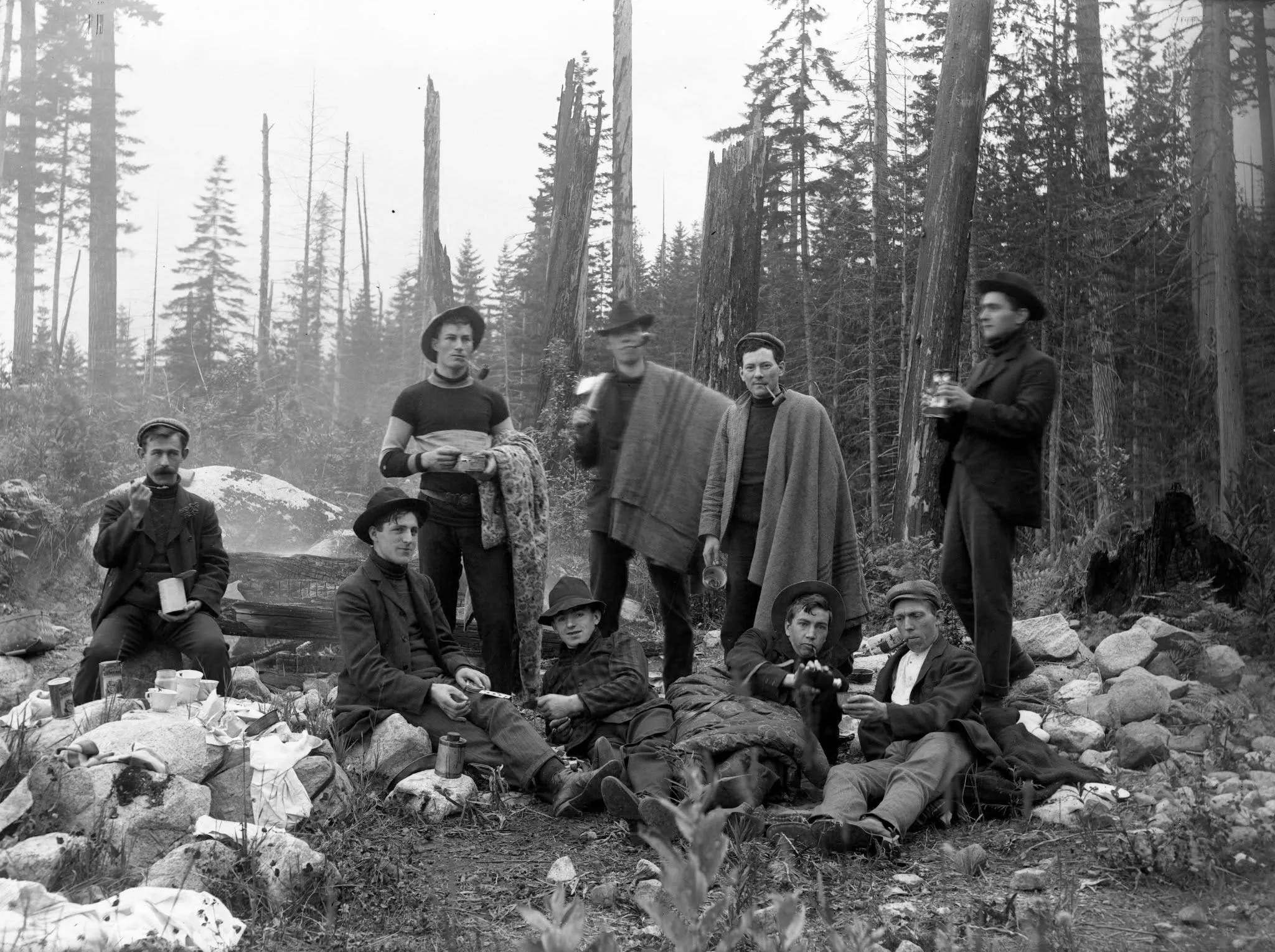
Long before the Skyride became a signature Vancouver experience, the North Shore mountains were already central to the region’s identity: steep, heavily forested, and deeply connected to local ecology and cultural memory. Grouse Mountain rises just north of the urban core, close enough to feel immediately accessible today, yet wild enough to remind visitors that true alpine conditions can begin only minutes from city streets. In the early decades of Vancouver’s expansion, that contrast—urban life below, mountain terrain above—helped shape the idea that this city could offer both modern convenience and outdoor immersion in one day.
As roads improved and local recreation culture matured, more residents looked to the mountain as a place for hiking, winter activity, and social gatherings tied to seasonal rhythms. Grouse was not simply viewed as a distant backdrop in photographs; it became part of everyday aspiration, a visible summit inviting people upward. That emotional pull still defines the mountain’s role today: it is scenic, yes, but also symbolic—a reminder of how closely Vancouver’s identity is tied to its surrounding landscape.
Trail culture, local ambition, and early access
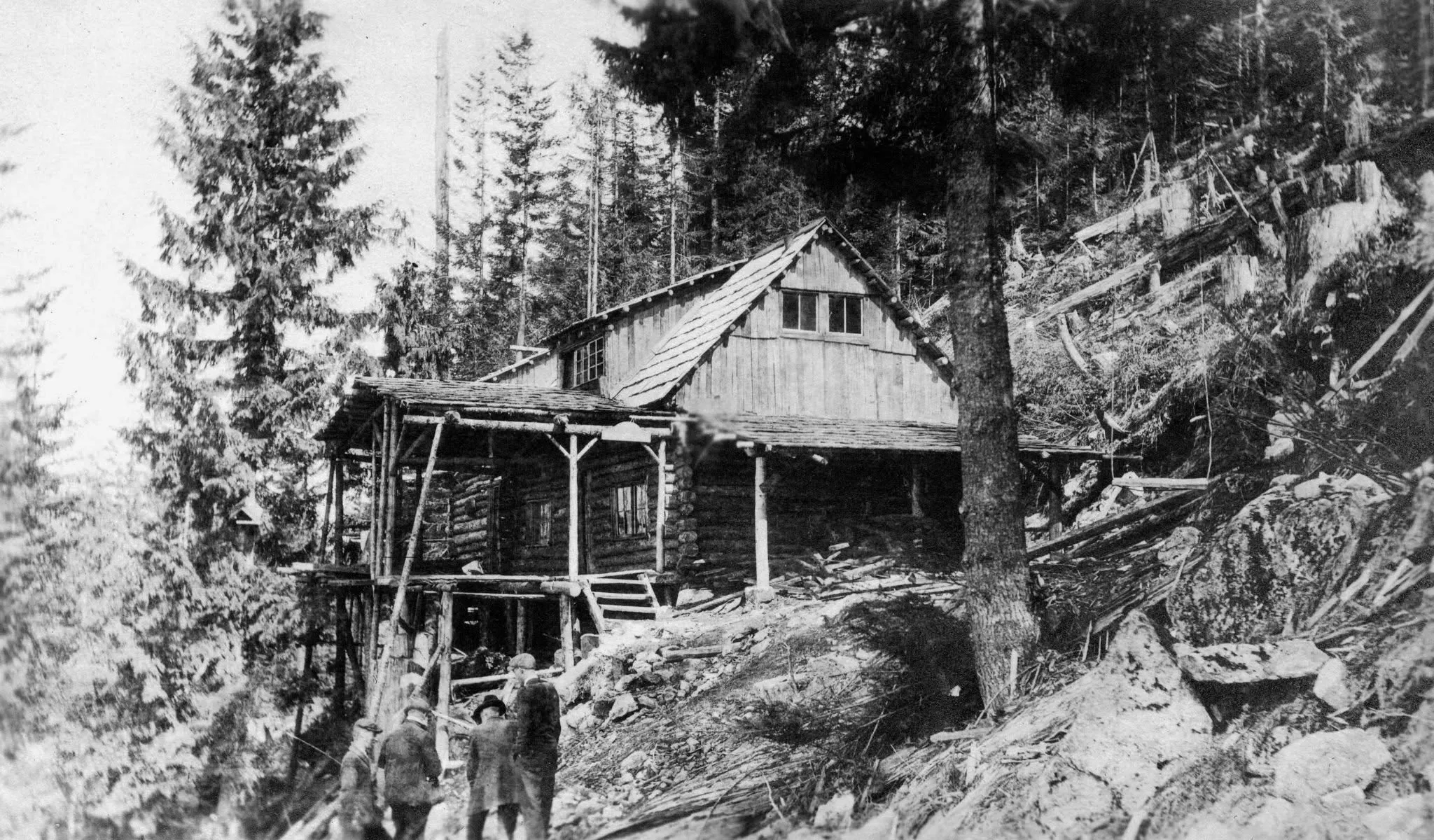
Before large-scale visitor infrastructure existed, reaching the upper mountain required determination, trail knowledge, and respect for changing weather. Early mountain users—including hikers, local clubs, and outdoor enthusiasts—helped establish a culture of access through footpaths and seasonal routes that connected communities to higher elevations. Those routes were practical and social at once: they tested endurance, offered shared adventure, and built a sense that the mountain belonged in local life rather than outside it.
As public interest grew, so did the vision of creating a destination that could welcome a broader audience beyond expert hikers and skiers. This shift was important: it transformed Grouse from a place known primarily to dedicated outdoors communities into a mountain that families, newcomers, and short-stay travelers could realistically enjoy. The idea of access became the core story—how to bring people upward safely, efficiently, and memorably without losing the natural character that made the mountain special in the first place.
Building a mountain destination for everyone
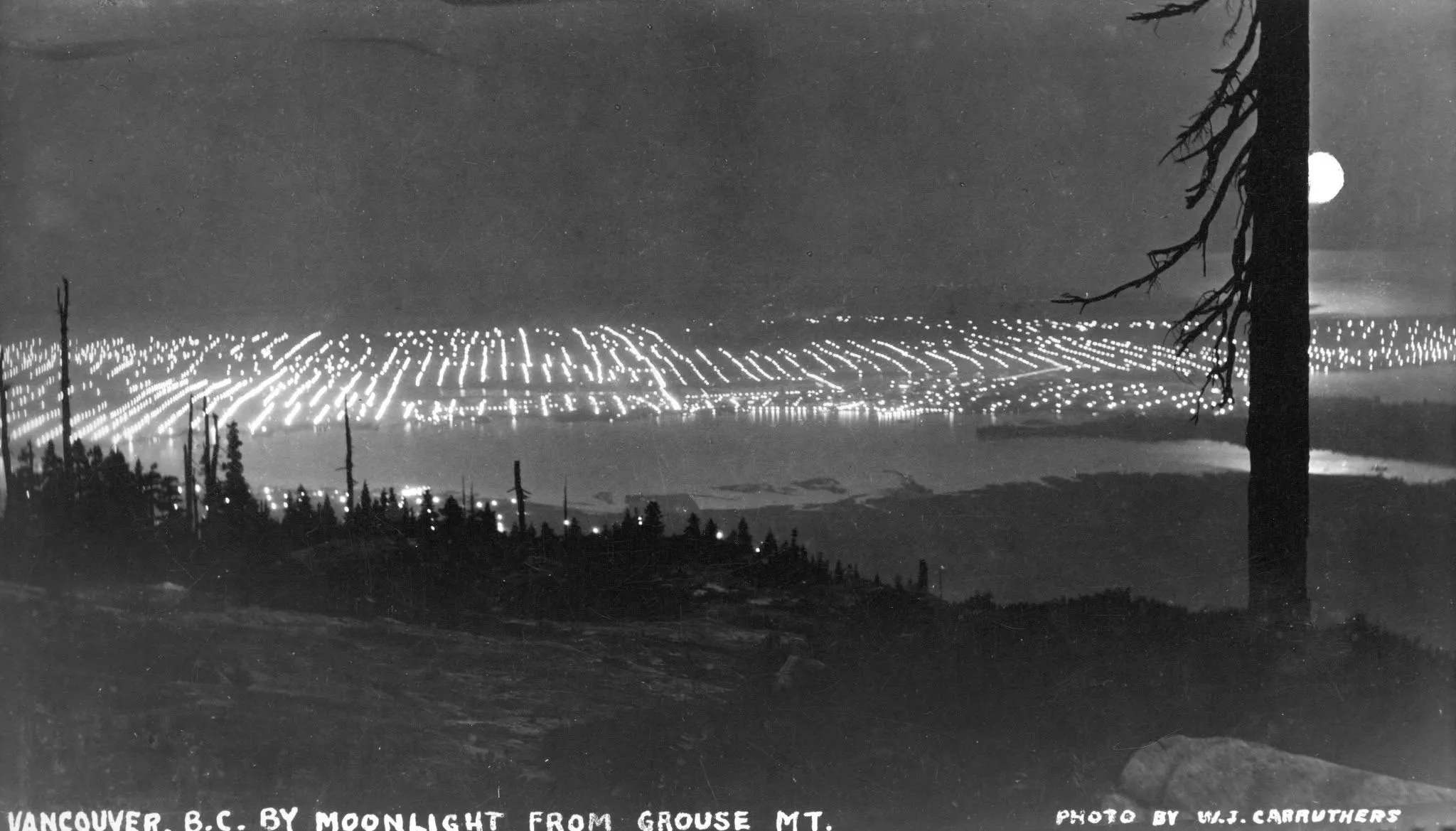
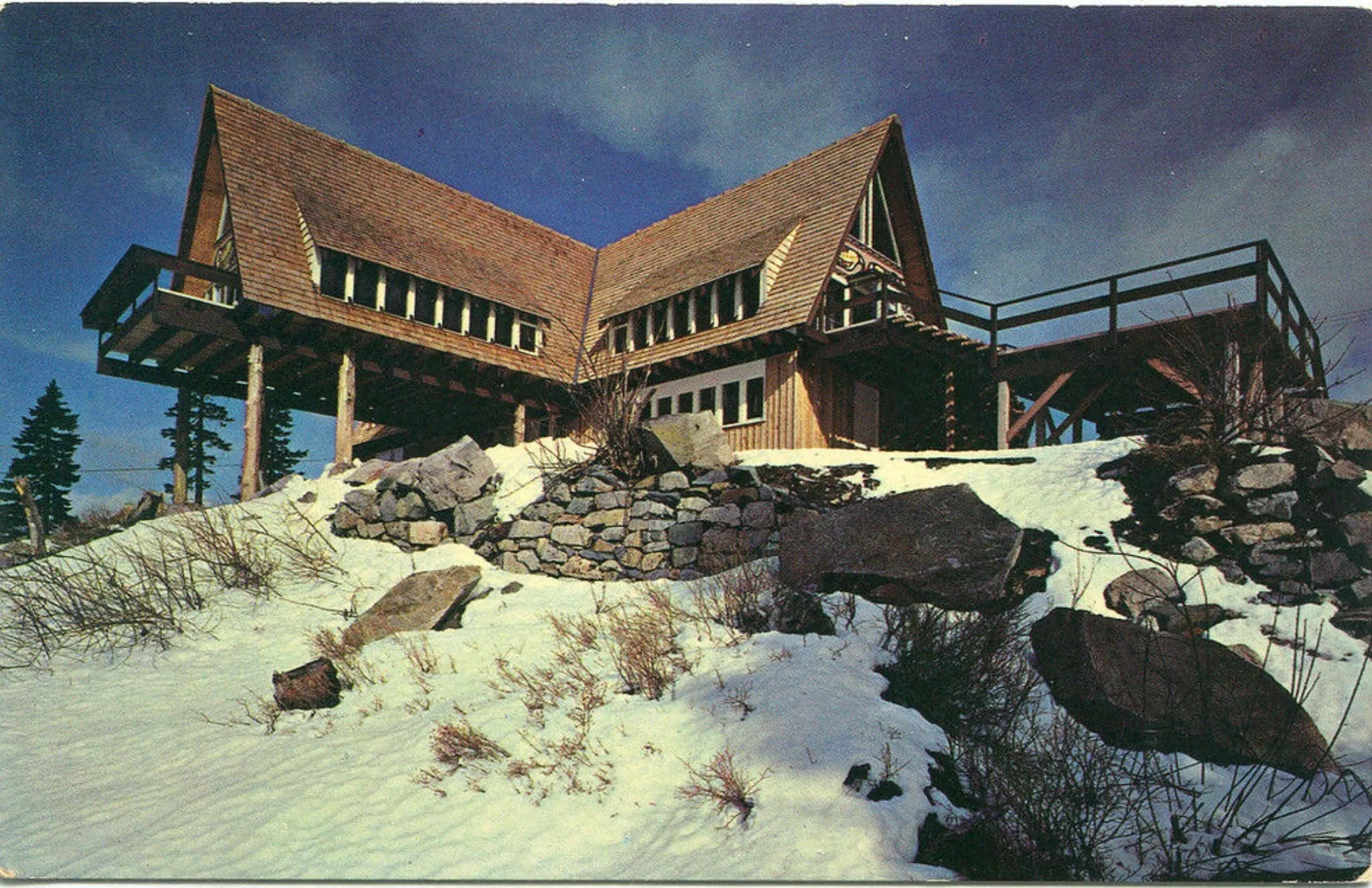
The transition from rugged recreation zone to structured destination required long-term investment in infrastructure, operations, and guest services. Over time, summit facilities expanded to include clearer arrival areas, food and beverage options, activity zones, and programming designed for varied age groups and interests. This development did more than add convenience: it changed how people imagined a mountain visit. A day at Grouse could now be spontaneous for some and meticulously planned for others, with both experiences equally valid.
Crucially, this evolution kept the mountain’s natural setting at the center of the visitor journey. Even as facilities grew, the dramatic shift from city base to alpine viewpoint remained the defining moment. You do not arrive at an enclosed entertainment complex; you arrive at elevation, weather, and landscape. That balance between infrastructure and environment is one reason Grouse has remained culturally relevant for generations.
The Skyride era and mountain accessibility
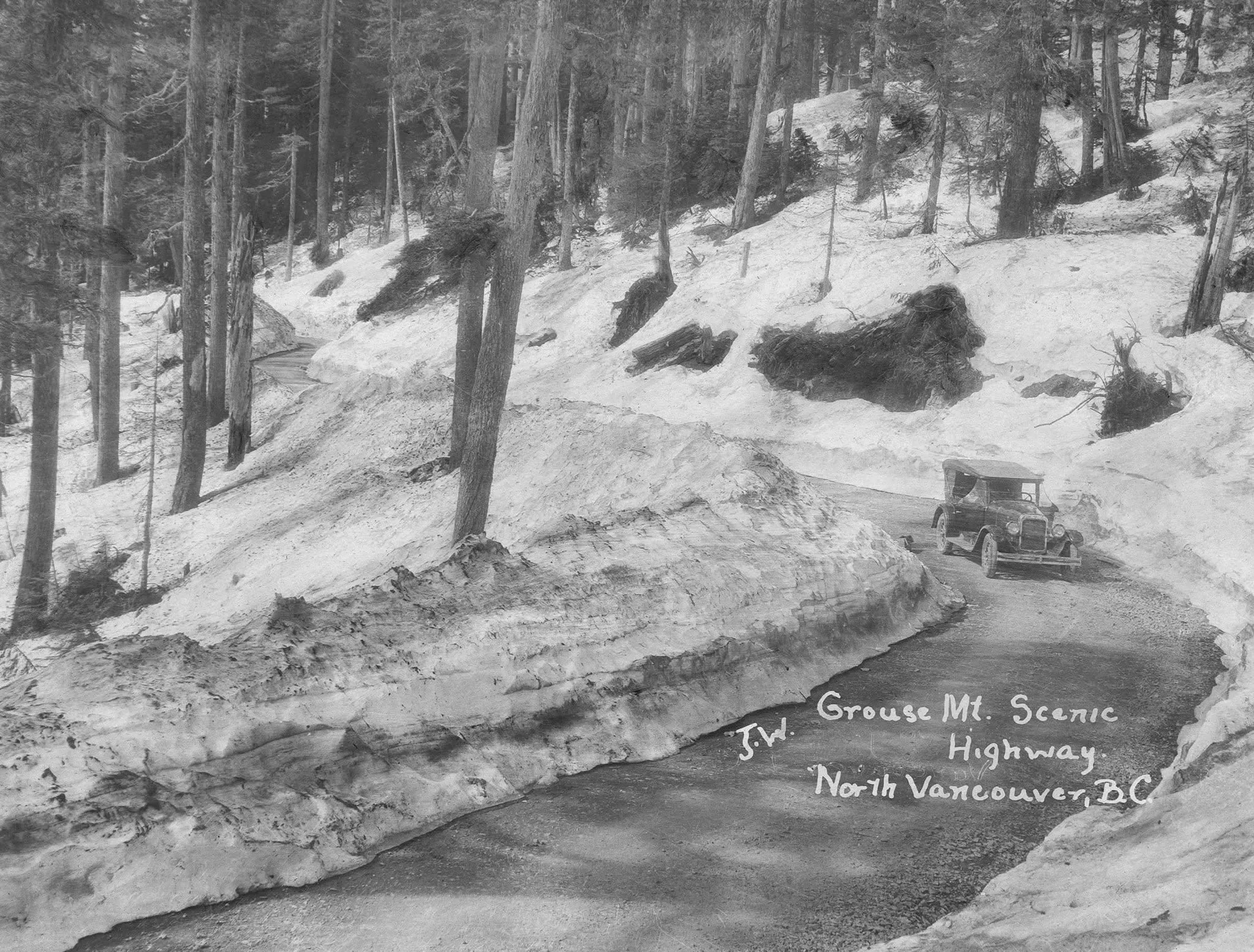
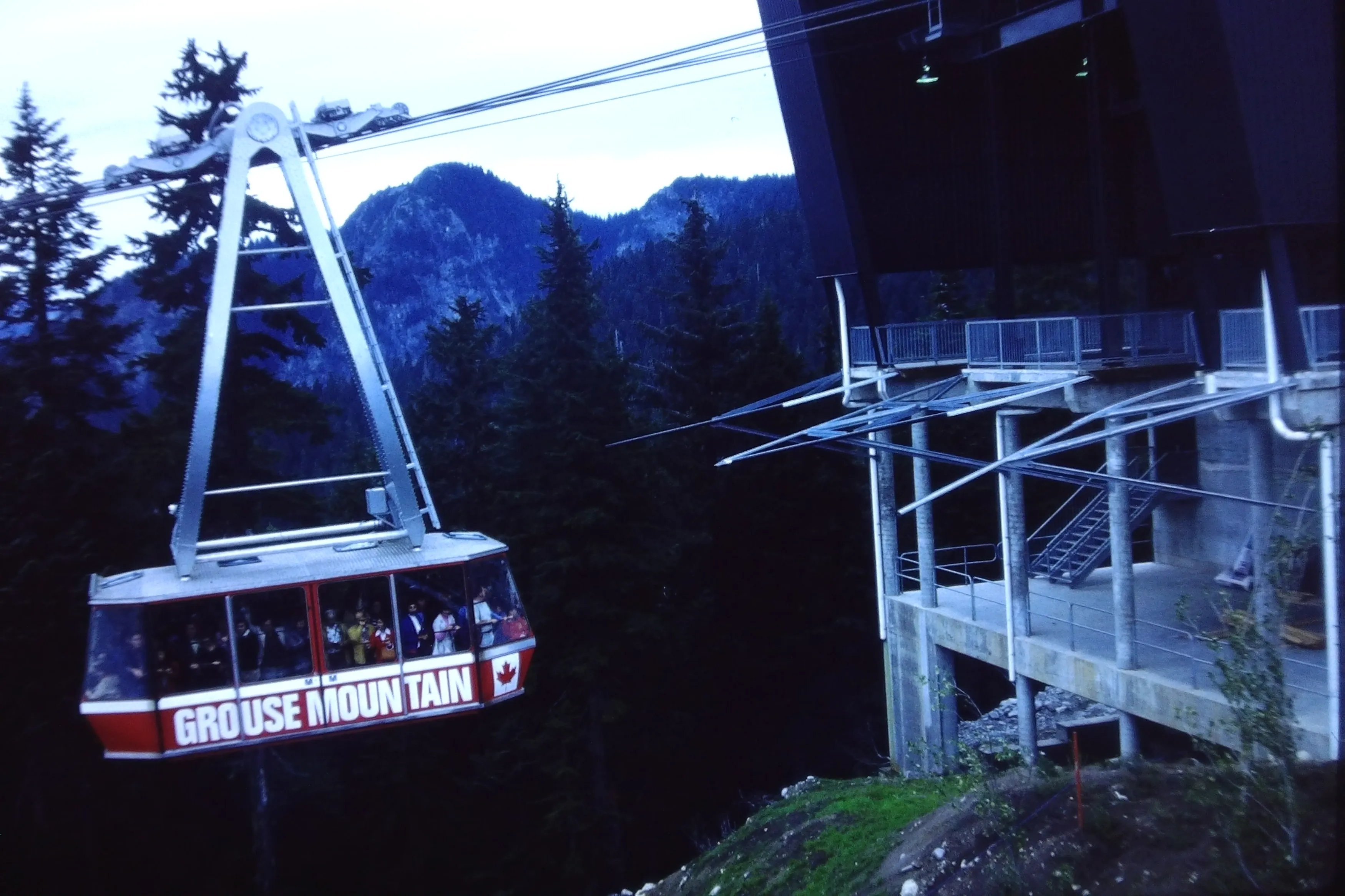
The introduction and continued modernization of aerial lift access changed everything. What once required strenuous ascent became a short, visually spectacular journey suitable for a far wider range of visitors. The Skyride did not only solve transportation—it redefined expectation. Suddenly, a mountain day could begin after breakfast in the city and still include enough time for family exploration, dining, educational activities, and an evening return.
From an urban tourism perspective, this was transformative. Few destinations allow visitors to move from sea-level downtown architecture to alpine perspective in such a compressed timeframe. The gondola became both practical infrastructure and storytelling device: each ascent physically demonstrates Vancouver’s geography, climate gradients, and relationship with surrounding terrain. The ride is short in minutes, but long in impact.
Winter identity and mountain traditions
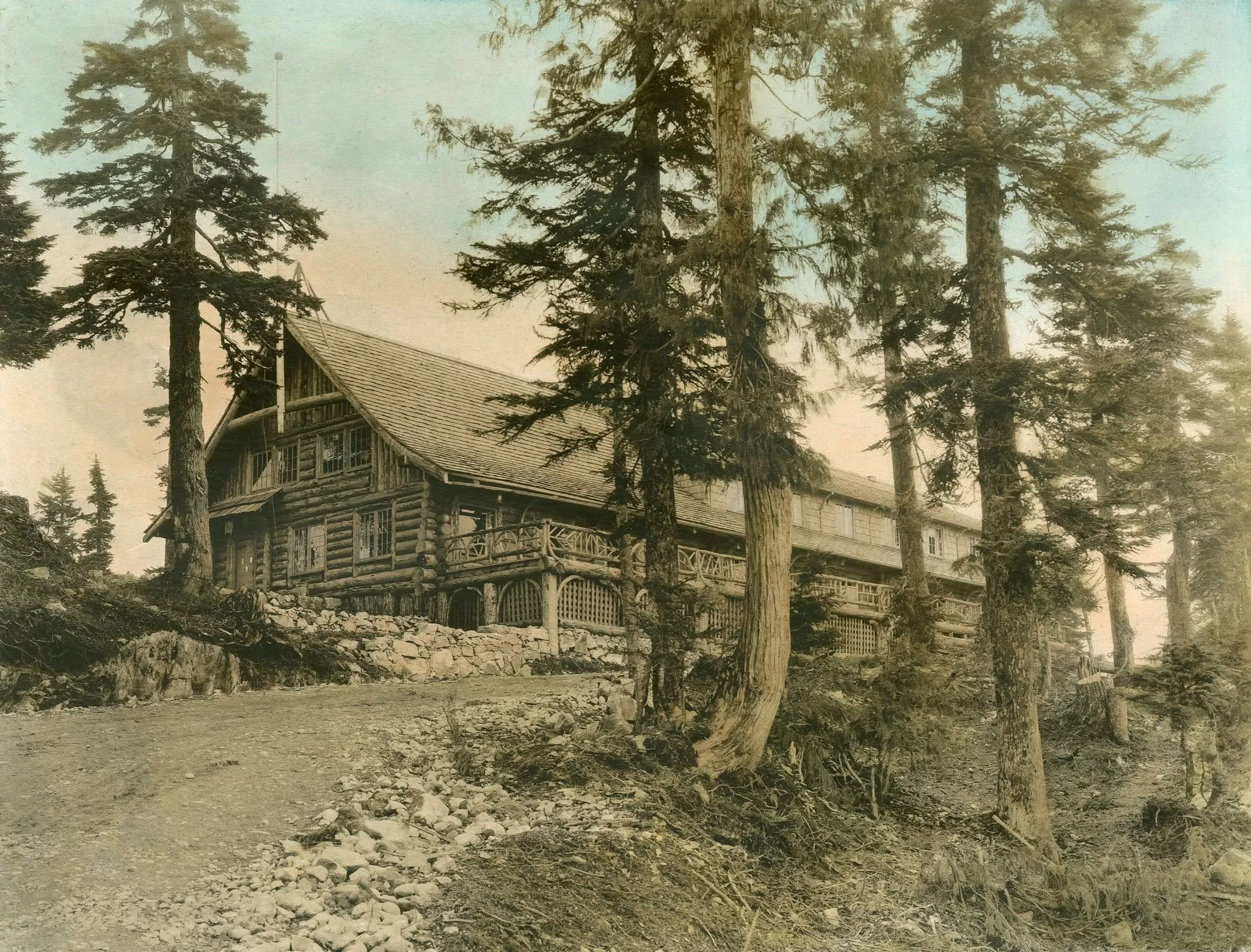
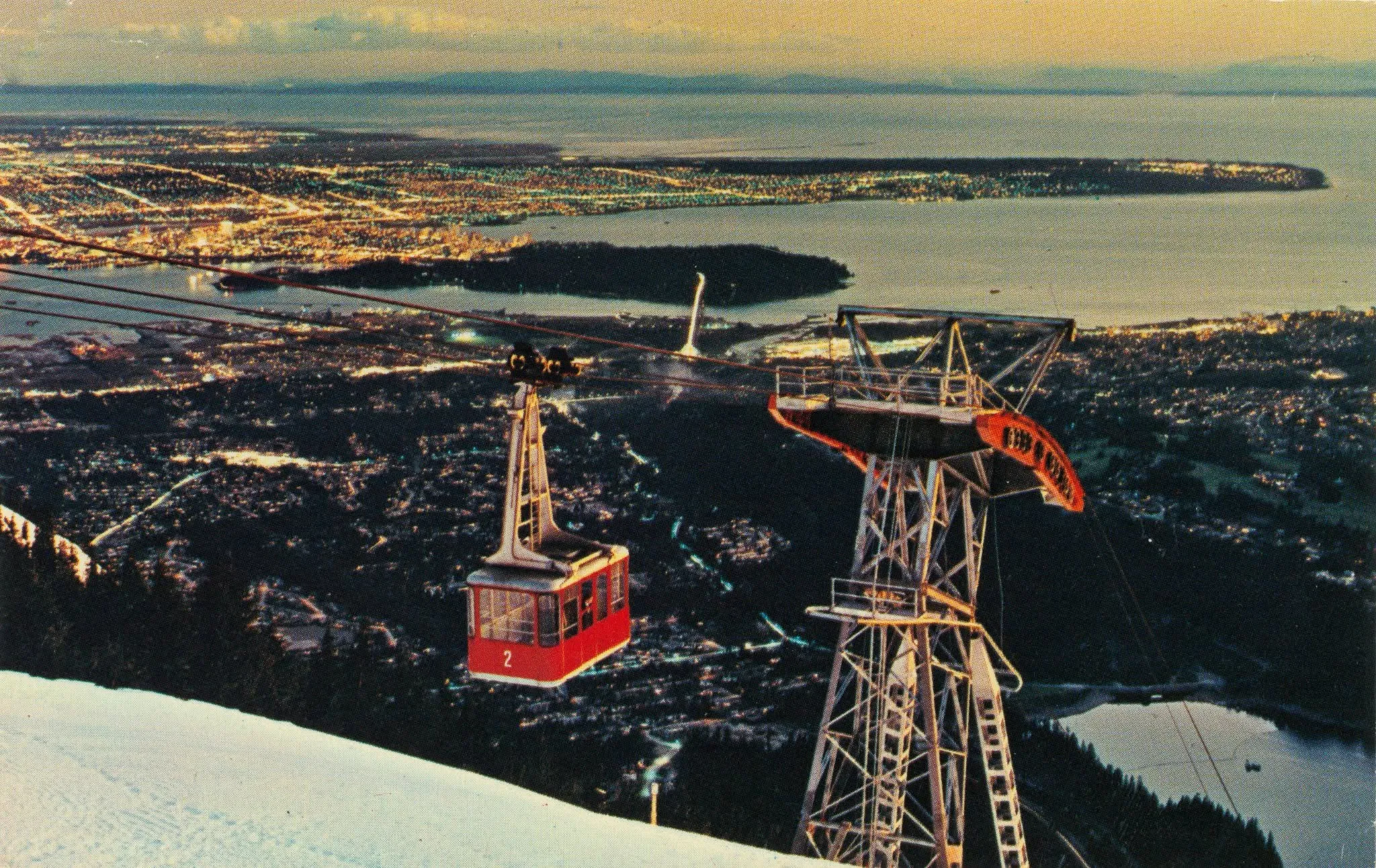
Winter helped cement Grouse Mountain’s public identity as a true four-season landmark. Snow operations, evening illumination, and cold-season programming created a social rhythm that many locals still associate with celebration and community. For some families, first rides up the mountain became annual rituals; for others, the summit represented a quick and reliable escape into winter atmosphere without leaving metropolitan Vancouver behind.
This seasonal identity is more than nostalgia. It demonstrates how mountain operations can be both recreational and civic, creating shared memory at city scale. Visitors from abroad often arrive expecting a scenic viewpoint and leave with something richer: a sense that Grouse functions like a cultural meeting place where weather, landscape, and urban life intersect in uniquely West Coast ways.
Summer reinvention: events, trails, and views
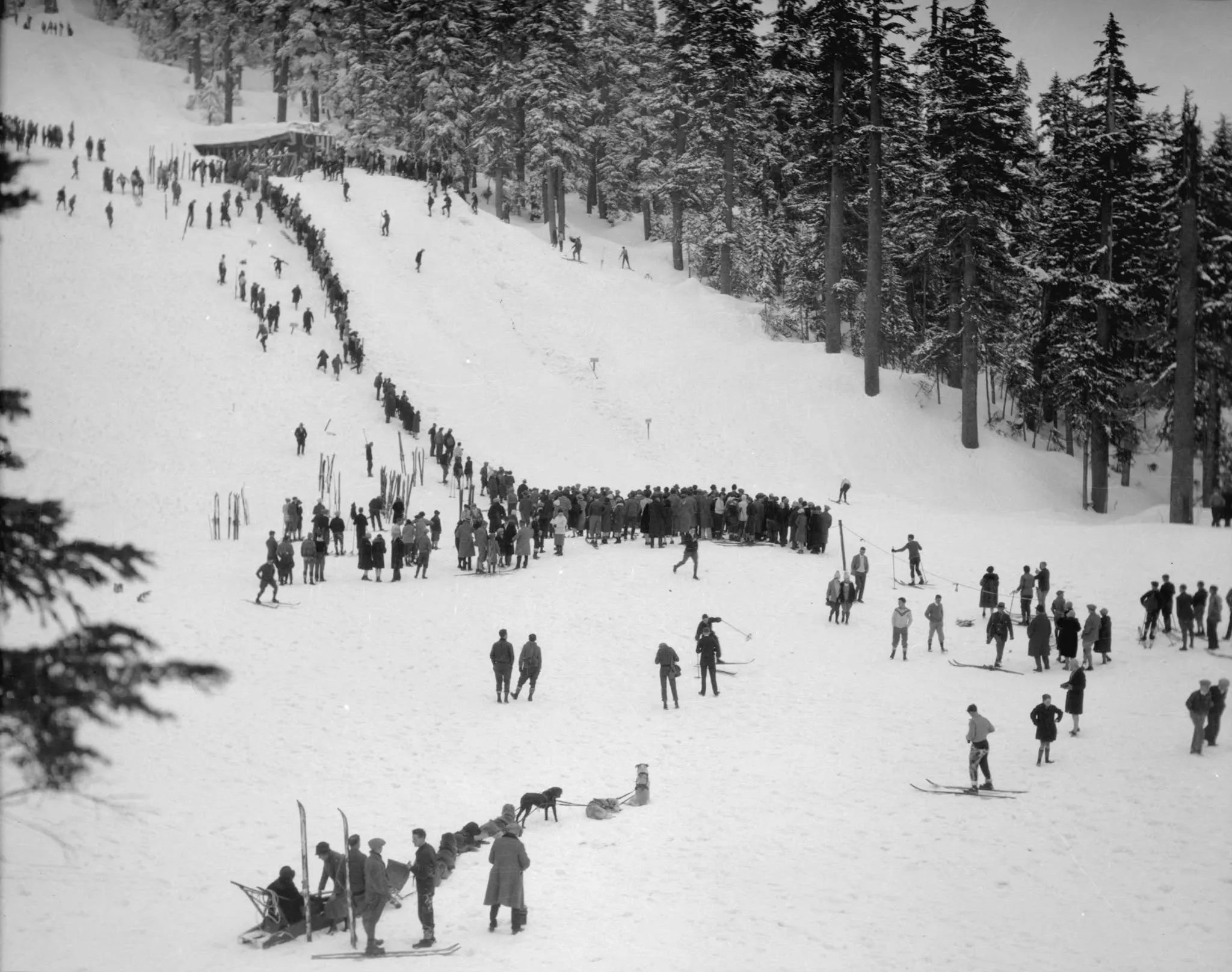
If winter built one side of Grouse’s reputation, summer expanded the other. Warm-season operations opened new pathways for visitors seeking alpine walks, interpretive experiences, panoramic dining moments, and evening skyline views that stretch from city towers to ocean horizon. The mountain became a place where a casual half-day outing could evolve organically into a full itinerary, often without visitors realizing how much time had passed.
This summer identity also made Grouse more inclusive for travelers who do not ski or snowboard but still want meaningful mountain access. Families with young children, older visitors, and international guests with varied fitness levels all found pathways to engagement. In that sense, Grouse matured into a destination defined less by one sport and more by layered experiences.
Wildlife, education, and stewardship values
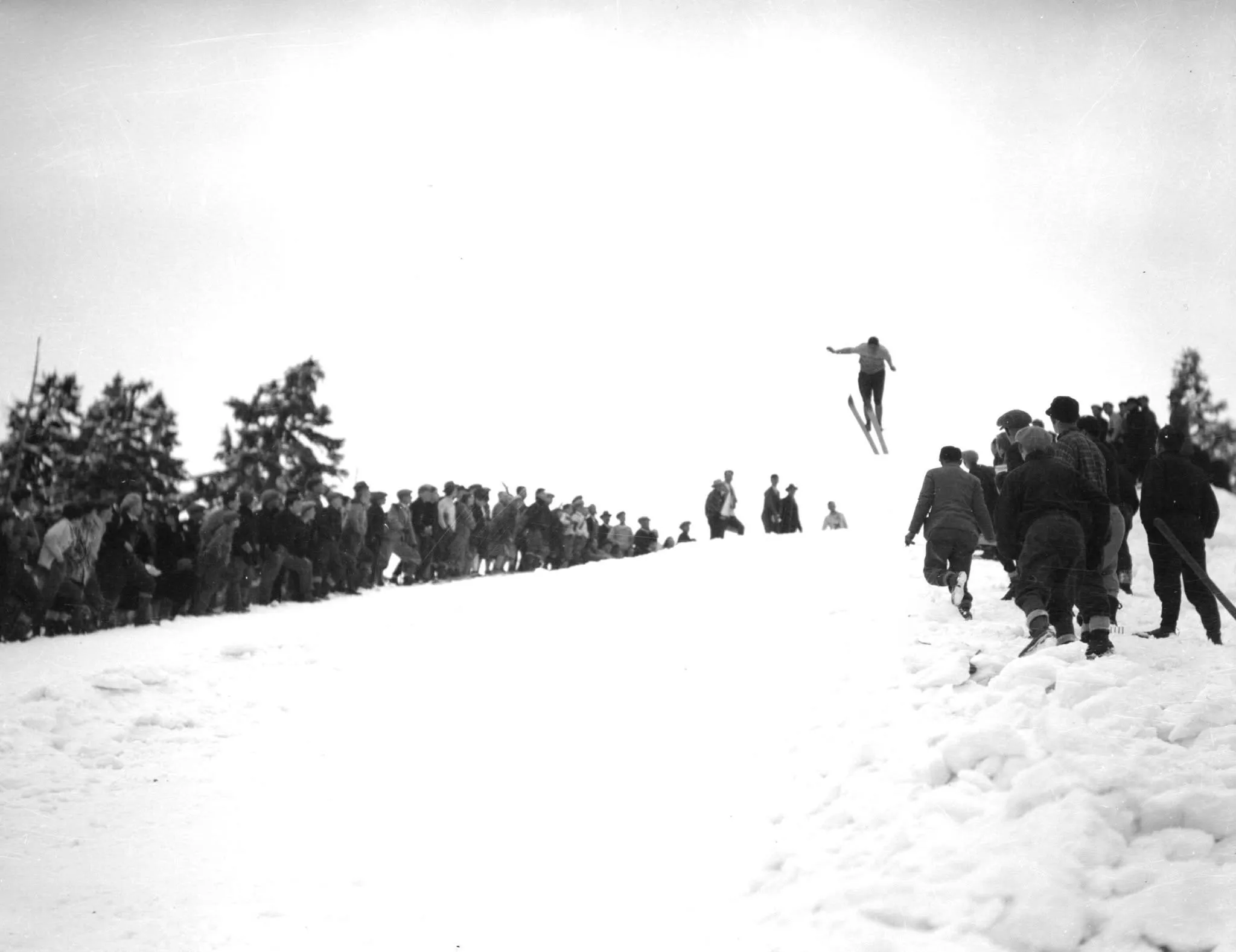
Over the years, Grouse Mountain has increasingly emphasized interpretation and environmental awareness alongside recreation. This shift reflects a broader understanding that mountain tourism carries responsibility: visitors should not only enjoy dramatic nature, but also leave with deeper appreciation for local ecosystems, wildlife behavior, and conservation-minded decision-making.
Educational programming plays a key role here. Talks, demonstrations, and guided interpretation help translate scenic beauty into ecological literacy, especially for children and first-time visitors to British Columbia’s mountain environments. The result is a richer experience—one that connects excitement with context and enjoyment with care.
Weather, safety, and realistic planning
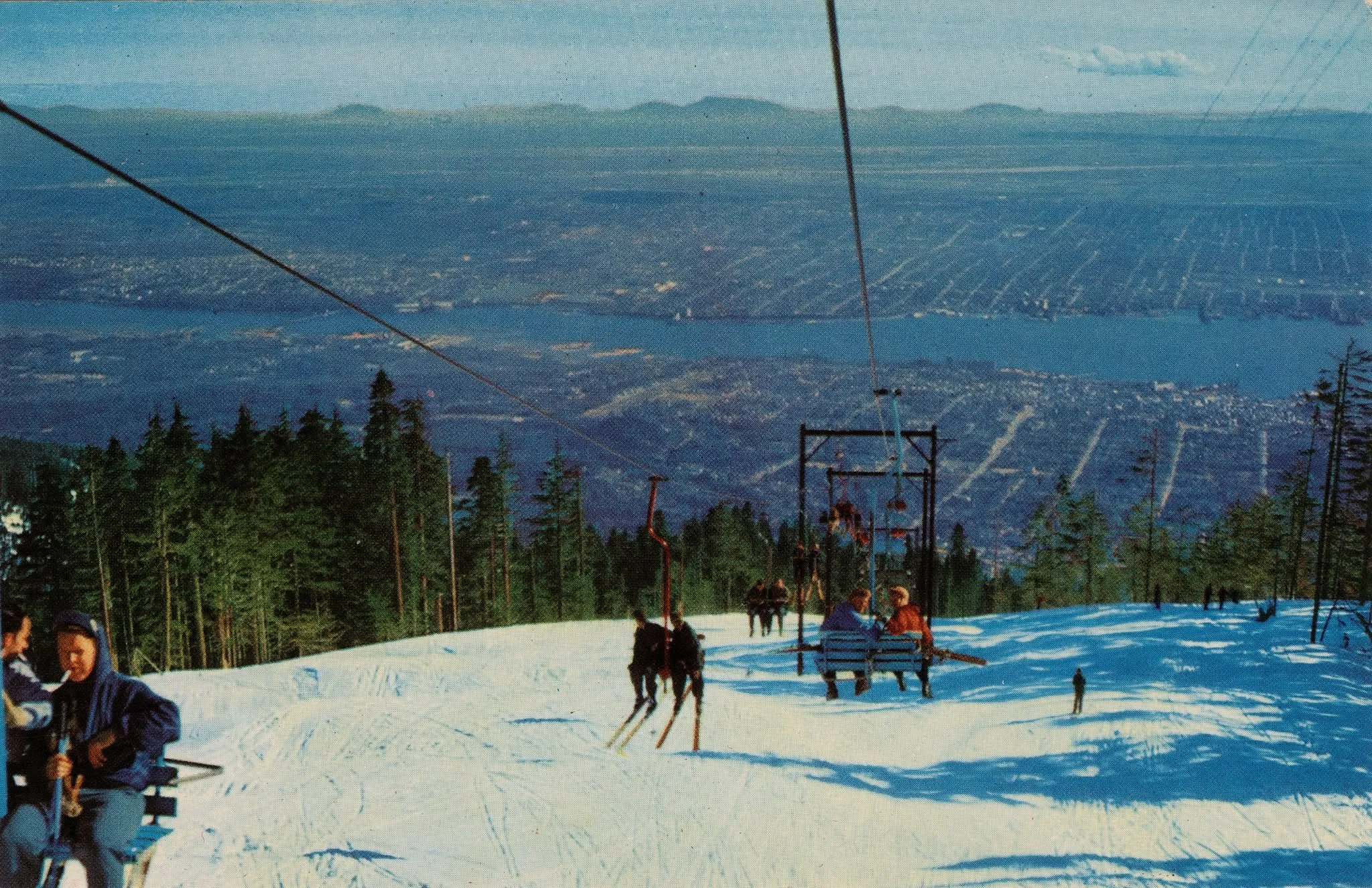
A mountain so close to a major city can feel deceptively simple to visit, and that convenience is a gift—but weather remains the defining variable. Visibility, wind, snowfall, and temperature can shift rapidly, creating a very different experience from one day to the next. Smart visitors plan with flexibility, wear adaptable layers, and check updates before departure rather than relying solely on city-level forecasts.
Operationally, Grouse has evolved to support this reality through clear signage, guest-service communication, and structured activity zones. Even so, personal preparation still matters. The best days on the mountain usually come from small practical habits: solid footwear, hydration, extra warm layers, and awareness of final descent times.
A defining role in Vancouver’s tourism identity
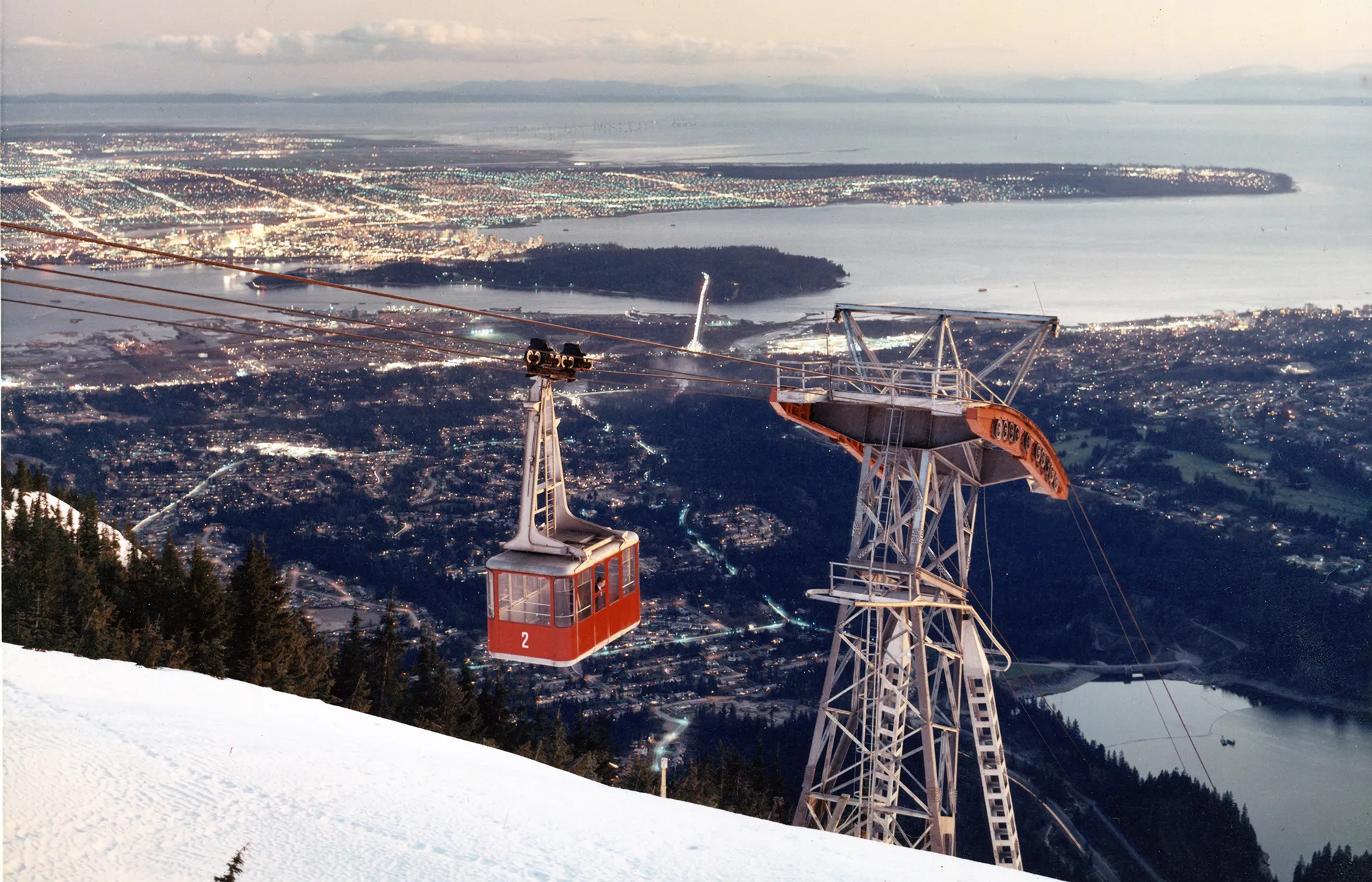
For decades, Grouse Mountain has been one of the first recommendations locals give to out-of-town guests, and there is a reason this advice endures. It condenses a core Vancouver narrative—city, water, forest, mountain—into a single, manageable outing. In one visit, travelers grasp not only what the region looks like, but how people here live with nature as an everyday presence.
As Vancouver’s international profile grew, Grouse naturally became part of the city’s ambassador landscape: a destination that photographs beautifully yet still feels grounded and approachable. It serves backpackers and luxury travelers alike, day-trippers and returning residents, all through the same simple invitation: take the ride up and see the coast from above.
Modern ticketing and smoother guest flow
Today’s visitor experience is shaped as much by planning tools as by physical infrastructure. Online reservations, digital confirmations, and clear pre-arrival information reduce uncertainty and help guests build realistic timelines around transport, weather windows, and activity priorities. This is especially helpful for travelers with limited time in Vancouver who still want a high-quality mountain experience.
The key is alignment: match your ticket type to your intent. If you mainly want scenery and photos, a shorter visit can work beautifully. If you want educational programming, meals, and multiple seasonal activities, budget more time and select your visit window carefully. Thoughtful planning turns a good day into an exceptional one.
Sustainability and the next chapter
As climate patterns shift and visitor expectations evolve, mountain destinations face a dual challenge: remain welcoming while reducing operational impact. Grouse Mountain’s long-term relevance depends on balancing those priorities through energy choices, waste reduction practices, habitat awareness, and ongoing adaptation to changing snow and weather conditions.
For visitors, this means the story of Grouse is still being written. Every trip is part of a broader relationship between tourism and stewardship, and small choices—using transit when possible, respecting trail boundaries, minimizing waste, and following staff guidance—help protect the mountain experience for future generations.
Pairing Grouse with nearby North Shore highlights
Many travelers pair Grouse Mountain with nearby North Shore attractions to build a fuller day: waterfront neighborhoods, forested viewpoints, and local dining areas create natural combinations before or after the summit visit. Because travel times are relatively short, this approach works well for visitors who want variety without overcomplicating logistics.
That said, Grouse can easily stand on its own, especially if you arrive early and let the day unfold naturally. The most common mistake is underestimating how much there is to do once you reach the top. A little breathing room in your itinerary often leads to the most rewarding experience.
Why Grouse remains unforgettable
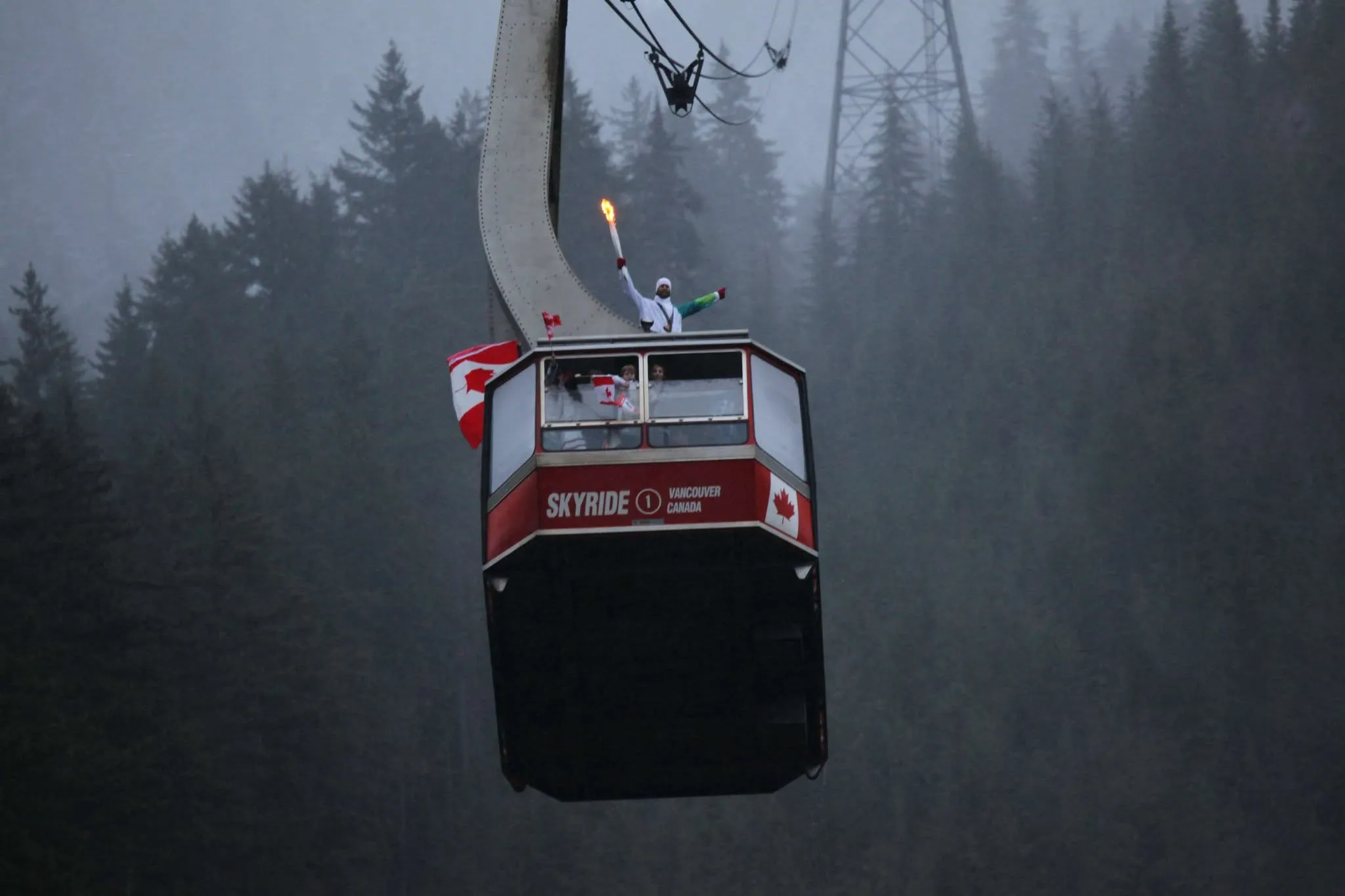
Some destinations impress once and fade; Grouse tends to do the opposite. People return in different seasons and discover a different mountain each time: snowy and luminous in winter, green and expansive in summer, misty and dramatic in shoulder months. The core feeling remains consistent, though—a sense of perspective that is hard to replicate elsewhere so close to a major city.
In the end, the appeal is wonderfully simple: the mountain is accessible without feeling ordinary, organized without feeling artificial, and scenic without feeling distant from daily life. That blend is rare. It is why Grouse is not just a checklist stop, but a place many visitors remember as one of the moments that made Vancouver feel real.
Table of Contents
Before the gondola: a mountain above a growing city
Long before the Skyride became a signature Vancouver experience, the North Shore mountains were already central to the region’s identity: steep, heavily forested, and deeply connected to local ecology and cultural memory. Grouse Mountain rises just north of the urban core, close enough to feel immediately accessible today, yet wild enough to remind visitors that true alpine conditions can begin only minutes from city streets. In the early decades of Vancouver’s expansion, that contrast—urban life below, mountain terrain above—helped shape the idea that this city could offer both modern convenience and outdoor immersion in one day.
As roads improved and local recreation culture matured, more residents looked to the mountain as a place for hiking, winter activity, and social gatherings tied to seasonal rhythms. Grouse was not simply viewed as a distant backdrop in photographs; it became part of everyday aspiration, a visible summit inviting people upward. That emotional pull still defines the mountain’s role today: it is scenic, yes, but also symbolic—a reminder of how closely Vancouver’s identity is tied to its surrounding landscape.
Trail culture, local ambition, and early access
Before large-scale visitor infrastructure existed, reaching the upper mountain required determination, trail knowledge, and respect for changing weather. Early mountain users—including hikers, local clubs, and outdoor enthusiasts—helped establish a culture of access through footpaths and seasonal routes that connected communities to higher elevations. Those routes were practical and social at once: they tested endurance, offered shared adventure, and built a sense that the mountain belonged in local life rather than outside it.
As public interest grew, so did the vision of creating a destination that could welcome a broader audience beyond expert hikers and skiers. This shift was important: it transformed Grouse from a place known primarily to dedicated outdoors communities into a mountain that families, newcomers, and short-stay travelers could realistically enjoy. The idea of access became the core story—how to bring people upward safely, efficiently, and memorably without losing the natural character that made the mountain special in the first place.
Building a mountain destination for everyone
The transition from rugged recreation zone to structured destination required long-term investment in infrastructure, operations, and guest services. Over time, summit facilities expanded to include clearer arrival areas, food and beverage options, activity zones, and programming designed for varied age groups and interests. This development did more than add convenience: it changed how people imagined a mountain visit. A day at Grouse could now be spontaneous for some and meticulously planned for others, with both experiences equally valid.
Crucially, this evolution kept the mountain’s natural setting at the center of the visitor journey. Even as facilities grew, the dramatic shift from city base to alpine viewpoint remained the defining moment. You do not arrive at an enclosed entertainment complex; you arrive at elevation, weather, and landscape. That balance between infrastructure and environment is one reason Grouse has remained culturally relevant for generations.
The Skyride era and mountain accessibility
The introduction and continued modernization of aerial lift access changed everything. What once required strenuous ascent became a short, visually spectacular journey suitable for a far wider range of visitors. The Skyride did not only solve transportation—it redefined expectation. Suddenly, a mountain day could begin after breakfast in the city and still include enough time for family exploration, dining, educational activities, and an evening return.
From an urban tourism perspective, this was transformative. Few destinations allow visitors to move from sea-level downtown architecture to alpine perspective in such a compressed timeframe. The gondola became both practical infrastructure and storytelling device: each ascent physically demonstrates Vancouver’s geography, climate gradients, and relationship with surrounding terrain. The ride is short in minutes, but long in impact.
Winter identity and mountain traditions
Winter helped cement Grouse Mountain’s public identity as a true four-season landmark. Snow operations, evening illumination, and cold-season programming created a social rhythm that many locals still associate with celebration and community. For some families, first rides up the mountain became annual rituals; for others, the summit represented a quick and reliable escape into winter atmosphere without leaving metropolitan Vancouver behind.
This seasonal identity is more than nostalgia. It demonstrates how mountain operations can be both recreational and civic, creating shared memory at city scale. Visitors from abroad often arrive expecting a scenic viewpoint and leave with something richer: a sense that Grouse functions like a cultural meeting place where weather, landscape, and urban life intersect in uniquely West Coast ways.
Summer reinvention: events, trails, and views
If winter built one side of Grouse’s reputation, summer expanded the other. Warm-season operations opened new pathways for visitors seeking alpine walks, interpretive experiences, panoramic dining moments, and evening skyline views that stretch from city towers to ocean horizon. The mountain became a place where a casual half-day outing could evolve organically into a full itinerary, often without visitors realizing how much time had passed.
This summer identity also made Grouse more inclusive for travelers who do not ski or snowboard but still want meaningful mountain access. Families with young children, older visitors, and international guests with varied fitness levels all found pathways to engagement. In that sense, Grouse matured into a destination defined less by one sport and more by layered experiences.
Wildlife, education, and stewardship values
Over the years, Grouse Mountain has increasingly emphasized interpretation and environmental awareness alongside recreation. This shift reflects a broader understanding that mountain tourism carries responsibility: visitors should not only enjoy dramatic nature, but also leave with deeper appreciation for local ecosystems, wildlife behavior, and conservation-minded decision-making.
Educational programming plays a key role here. Talks, demonstrations, and guided interpretation help translate scenic beauty into ecological literacy, especially for children and first-time visitors to British Columbia’s mountain environments. The result is a richer experience—one that connects excitement with context and enjoyment with care.
Weather, safety, and realistic planning
A mountain so close to a major city can feel deceptively simple to visit, and that convenience is a gift—but weather remains the defining variable. Visibility, wind, snowfall, and temperature can shift rapidly, creating a very different experience from one day to the next. Smart visitors plan with flexibility, wear adaptable layers, and check updates before departure rather than relying solely on city-level forecasts.
Operationally, Grouse has evolved to support this reality through clear signage, guest-service communication, and structured activity zones. Even so, personal preparation still matters. The best days on the mountain usually come from small practical habits: solid footwear, hydration, extra warm layers, and awareness of final descent times.
A defining role in Vancouver’s tourism identity
For decades, Grouse Mountain has been one of the first recommendations locals give to out-of-town guests, and there is a reason this advice endures. It condenses a core Vancouver narrative—city, water, forest, mountain—into a single, manageable outing. In one visit, travelers grasp not only what the region looks like, but how people here live with nature as an everyday presence.
As Vancouver’s international profile grew, Grouse naturally became part of the city’s ambassador landscape: a destination that photographs beautifully yet still feels grounded and approachable. It serves backpackers and luxury travelers alike, day-trippers and returning residents, all through the same simple invitation: take the ride up and see the coast from above.
Modern ticketing and smoother guest flow
Today’s visitor experience is shaped as much by planning tools as by physical infrastructure. Online reservations, digital confirmations, and clear pre-arrival information reduce uncertainty and help guests build realistic timelines around transport, weather windows, and activity priorities. This is especially helpful for travelers with limited time in Vancouver who still want a high-quality mountain experience.
The key is alignment: match your ticket type to your intent. If you mainly want scenery and photos, a shorter visit can work beautifully. If you want educational programming, meals, and multiple seasonal activities, budget more time and select your visit window carefully. Thoughtful planning turns a good day into an exceptional one.
Sustainability and the next chapter
As climate patterns shift and visitor expectations evolve, mountain destinations face a dual challenge: remain welcoming while reducing operational impact. Grouse Mountain’s long-term relevance depends on balancing those priorities through energy choices, waste reduction practices, habitat awareness, and ongoing adaptation to changing snow and weather conditions.
For visitors, this means the story of Grouse is still being written. Every trip is part of a broader relationship between tourism and stewardship, and small choices—using transit when possible, respecting trail boundaries, minimizing waste, and following staff guidance—help protect the mountain experience for future generations.
Pairing Grouse with nearby North Shore highlights
Many travelers pair Grouse Mountain with nearby North Shore attractions to build a fuller day: waterfront neighborhoods, forested viewpoints, and local dining areas create natural combinations before or after the summit visit. Because travel times are relatively short, this approach works well for visitors who want variety without overcomplicating logistics.
That said, Grouse can easily stand on its own, especially if you arrive early and let the day unfold naturally. The most common mistake is underestimating how much there is to do once you reach the top. A little breathing room in your itinerary often leads to the most rewarding experience.
Why Grouse remains unforgettable
Some destinations impress once and fade; Grouse tends to do the opposite. People return in different seasons and discover a different mountain each time: snowy and luminous in winter, green and expansive in summer, misty and dramatic in shoulder months. The core feeling remains consistent, though—a sense of perspective that is hard to replicate elsewhere so close to a major city.
In the end, the appeal is wonderfully simple: the mountain is accessible without feeling ordinary, organized without feeling artificial, and scenic without feeling distant from daily life. That blend is rare. It is why Grouse is not just a checklist stop, but a place many visitors remember as one of the moments that made Vancouver feel real.